

- 1 - Covering
- 2 - Grains
- 3 - Diameter
.351 - .356 Dia. (9mm, 380)
Bullet diameters from .351 through .356 which include the 9mm, 38 Super, 380 ACP and 35 caliber
Reloading 9mm Luger or .380 ACP starts with choosing the correct bullet diameter, weight, and construction, and our selection makes it easy for beginners and experienced handloaders alike. All of our projectiles for the above calibers fall within the standard .351–.356 inch bullet diameter used for those calibers, ensuring proper case tension, consistent pressures, and reliable feeding in most semi-automatic pistols and revolvers. Whether you’re loading for compact carry guns, full-size duty pistols, or economical range practice, we stock the bullet styles that matter: FMJ (Full Metal Jacket) for high-volume shooting, HP (Hollow Point) for defensive training loads, plated bullets for reduced barrel fouling, and cast lead bullets for the most budget-friendly reloads.
Most reloaders starting out with 9mm will choose 115-grain or 124-grain projectiles, since these weights match the majority of commercial ammunition and published load data. For .380 ACP, the most common weight is 90 grain, which provides dependable cycling in compact pistols with shorter barrels. All of our bullets are produced with strict attention to ogive profile, bearing surface geometry, and weight uniformity, helping reduce velocity spreads and improve overall accuracy. Beginners will appreciate that these projectiles work well with standard powders such as Unique, Titegroup, CFE Pistol, Winchester 231, and many others commonly listed in reloading manuals.
At US Reloading Supply, we specialize in components that offer both quality and value, giving you dependable results without overspending. Our projectiles are ideal for new reloaders learning the basics, hobbyists who enjoy loading for weekend range trips, and high-volume shooters who demand consistent performance round after round. With fast shipping from our Venice, Florida warehouse and a constantly updated inventory, we make it simple to find the right 9mm bullets, .380 ACP projectiles, and other reloading components for your specific needs. Whether your goal is cost-effective practice ammo, smoother recoil for training, or dialing in more accurate groups, our bullets provide a reliable foundation for any reloading setup.
FAQ: 9mm & .380 ACP Bullets for Reloading
What bullet diameter is used for 9mm and .380 ACP reloading?
Both 9mm Luger and .380 ACP typically use bullets in the .355–.356 inch diameter range, the most common for jacketed and plated bullets. Using the correct diameter ensures proper case tension, safe pressure levels, and reliable feeding.
Can I use the same bullets for both 9mm and .380 ACP?
In many cases, yes—.355 inch bullets will work for both calibers. However, .380 ACP usually performs best with lighter bullet weights (around 90 grains), while 9mm is optimized for 115, 124, or 147 grain bullets. Always consult your reloading manual before substituting components.
What is the best bullet weight for 9mm reloads?
The most common and widely supported weights are 115 grain and 124 grain. These match the bulk of commercial ammunition and have the most load data available. 147 grain bullets are also popular for subsonic and competition loads.
What bullet weight should I use for .380 ACP?
Most .380 ACP handguns perform best with 90-grain projectiles, which provide reliable cycling and predictable pressures in compact pistols. Some reloaders use 95 or 100 grain, but 90 grain has the broadest published load data.
What is the difference between FMJ, plated, and cast bullets?
FMJ (Full Metal Jacket): Copper jacket, best for feeding reliability and high-volume shooting.
Plated Bullets: Thinner copper coating; cost-effective and produce less barrel fouling.
Cast Lead Bullets: Made from alloyed lead; most economical option for bulk reloads.
Each bullet type behaves slightly differently in terms of pressure and velocity, so follow load data specific to the bullet style.
Are cast lead bullets safe to use in 9mm or .380 pistols?
Yes, cast bullets are safe when loaded properly. Choose the correct diameter (usually .356 inch) to minimize leading, and pair them with powders known for clean, consistent burn characteristics. Some polygonal rifling (e.g., Glock) may require more cleaning attention with lead projectiles.
Do I need different load data for plated bullets?
Yes. Plated bullets fall between cast and jacketed in terms of hardness. Many powder manufacturers recommend using lead bullet data or mid-range jacketed data unless the bullet maker provides specific guidelines. Never exceed published velocity limits for the plated bullet brand you are using.
Are heavier 147-grain 9mm bullets better for accuracy?
Heavier bullets like 147 grain often produce excellent accuracy and smoother recoil impulse. They are commonly used in competition shooting and subsonic loads. For beginners, 115 or 124 grain is usually easier to start with.
Why do some bullets measure .355 and others .356?
Different bullet constructions require slightly different diameters.
Jacketed bullets are commonly .355 inch.
Plated and cast bullets often use .356 inch for improved barrel engagement.
Both work well when paired with appropriate load data and proper case flare.
How fast does US Reloading Supply ship 9mm and 380 bullets?
We ship quickly from our warehouse in Venice, Florida, with most orders going out the same or next business day. This ensures reloaders get their components fast and can stay stocked for range days or competition prep.
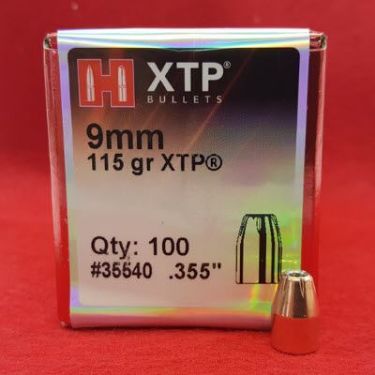
Hornady 9mm (355) 115 Grain HP XTP Bullets Pk/100 ea
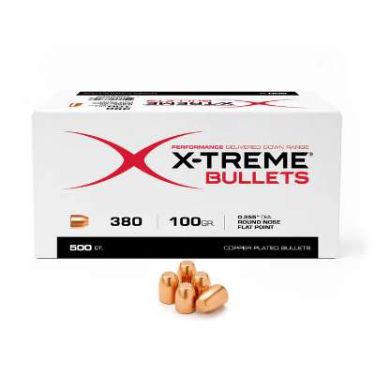
X-Treme 380 ACP (.355) Bullets 100 Grain RNFP Pk/100 ea
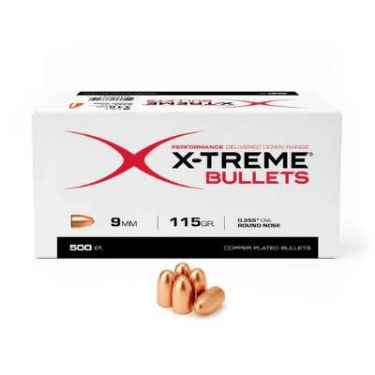
X-Treme 9mm (.355) Bullets 115 Grain RN Pk/100 ea
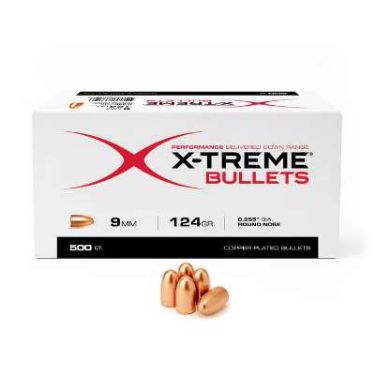
X-Treme 9mm (.355) Bullets 124 Grain RN Pk/100 ea
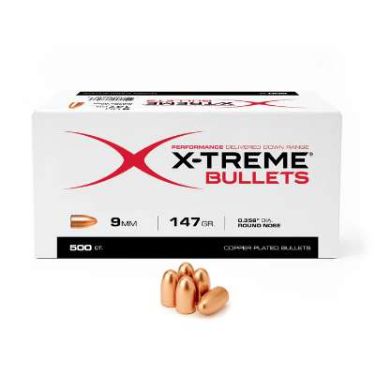
X-Treme 9mm (.356) Bullets 147 Grain RN Pk/100 ea
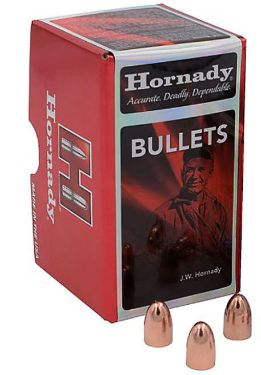
Hornady 9mm (355) 115 Grain FMJ Bullets Pk/100 ea
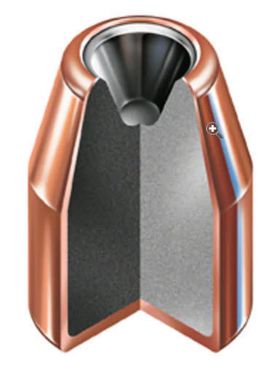
Hornady 9mm (355) 115 Grain Jacketed HP Bullets Pk/100 ea
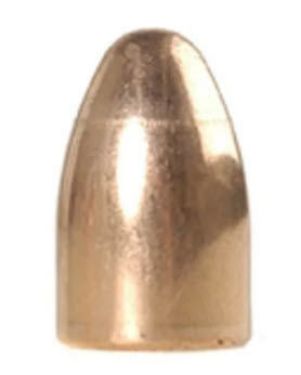
Hornady 9mm (355) 124 Grain FMJ Bullets Pk/100 ea
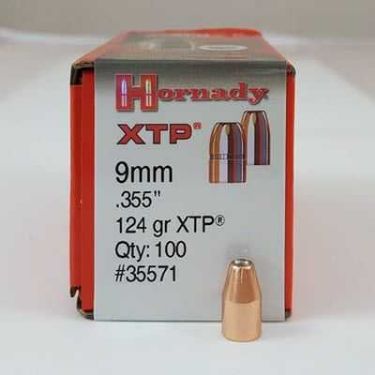
Hornady 9mm (355) 124 Grain HP Bullets XTP Pk/100 ea
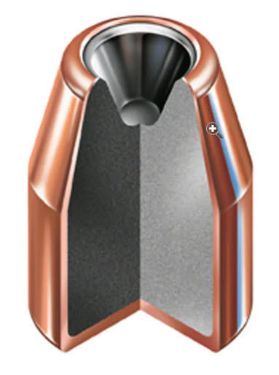
Hornady 9mm (355) 125 Grain Jacketed HP Bullets Pk/100 ea
- 1
- 2